
Arrested in Houston: What to Do in the First 24 Hours
If you are arrested in Houston, the first 24 hours are the most critical period for protecting your future. You must immediately exercise your constitutional right to remain silent and request an attorney. During this window, you will undergo booking, a magistration hearing, and have your initial bail set. Avoid discussing your case with police or other inmates, as all communications are recorded and can be used against you in court.
What happens immediately after a Houston arrest?
The moments following an arrest in the Houston area can be chaotic and overwhelming. Whether you are picked up by the Houston Police Department (HPD) or the Harris County Sheriff's Office, the process follows a specific legal timeline. Initially, you will be transported to a holding facility. For most adult arrests in the city, this means being taken to the Joint Processing Center (JPC) located in downtown Houston.
During this initial phase, law enforcement will conduct a search of your person and inventory your belongings. This is a standard procedure, but it is also where many people make the mistake of trying to explain their way out of the situation. It is vital to understand that the officers are not there to adjudicate your case; they are there to process you into the system. Anything you say during transportation or inventory—even seemingly casual conversation—is potentially evidence.
Your primary objective in the first hour is to remain calm and clearly state: "I am exercising my right to remain silent and I want to speak with a lawyer." Once you have made this request, police are generally required to stop questioning you about the alleged crime. This protection is a cornerstone of Criminal Defense and applies whether you are facing DWI charges or more serious allegations.
How does the booking process work in Harris County?
Booking is the formal process of entering your arrest into the public record. In Harris County, this typically occurs at the Joint Processing Center. The process involves several distinct steps designed to identify you and document the charges brought against you by the District Attorney’s office.
- Fingerprinting and Photographs: Digital fingerprints and "mugshots" are taken to confirm identity and check for outstanding warrants in other jurisdictions.
- Health Screening: Medical staff will perform a basic evaluation to ensure you do not have immediate health crises or contagious conditions that would endanger the jail population.
- Data Entry: Your personal information, including address, employment, and family contacts, is entered into the system.
- Classification: Jail staff determine where you will be housed based on the severity of the charges and your past criminal history.

The booking process can take anywhere from four to twelve hours, depending on the volume of arrests that day. During this time, you may be allowed to make a phone call. It is imperative that you call a family member or a lawyer, but remember: jail phones are recorded . Never discuss the details of what happened over a jail phone. Simply state where you are and that you need legal representation.
Why you must exercise your right to remain silent
The "Right to Remain Silent" is not just a line from television; it is your most powerful tool in the first 24 hours after an arrest. In the high-stress environment of a police station, the natural human instinct is to defend oneself or clarify misunderstandings. However, in the context of a Houston criminal investigation, speaking without an attorney present is almost always detrimental.
Law enforcement officers are trained in interrogation techniques designed to elicit admissions or find inconsistencies in your story. Even if you are entirely innocent, a slip of the tongue or a misremembered detail can be used to impeach your credibility later. This is particularly true in cases involving Assault or Domestic Violence, where emotions run high and statements made in the heat of the moment are heavily scrutinized.
By remaining silent, you force the prosecution to rely solely on the evidence they have gathered rather than using your own words to build their case. If you are being questioned about Drug Charges or Weapons Charges, the presence of physical evidence makes your silence even more critical, as you do not want to inadvertently provide the "missing link" the state needs for a conviction.
What to expect during your magistration hearing?
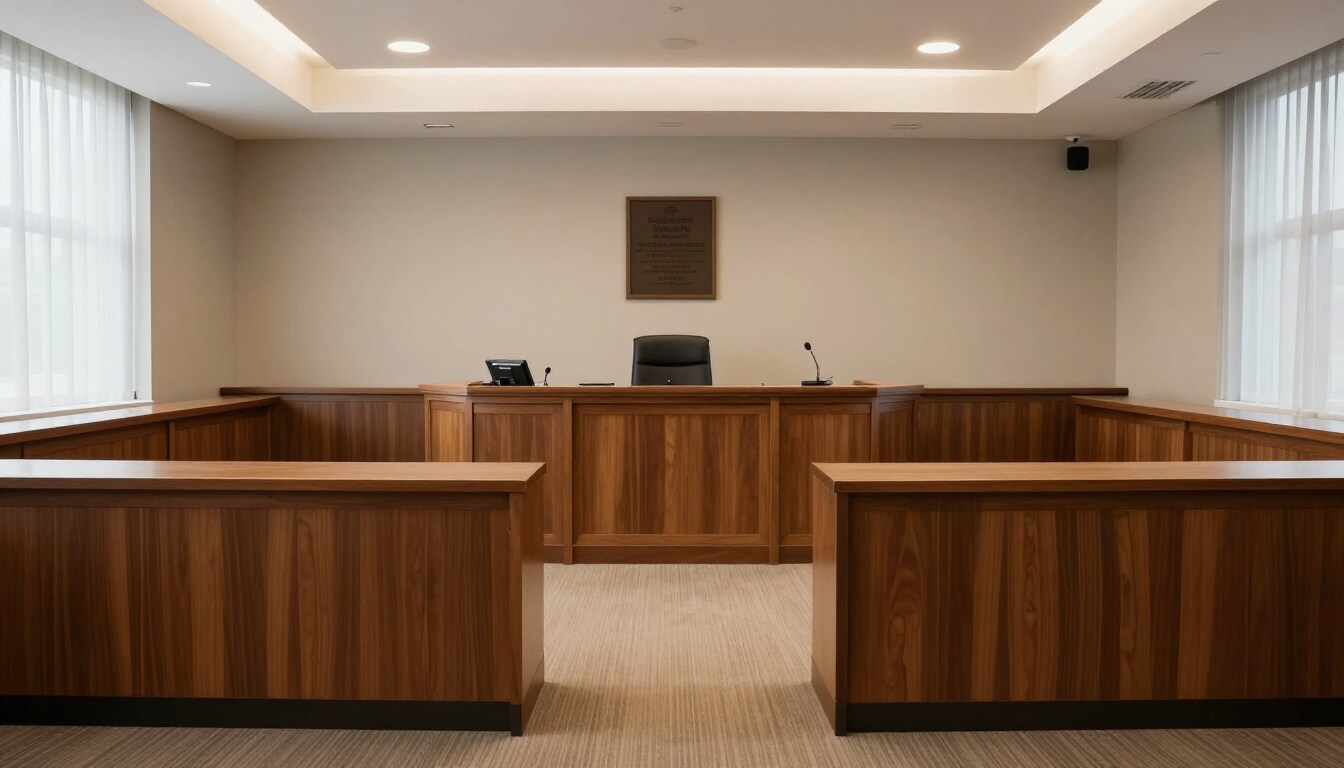
Within 24 to 48 hours of your arrest, you will be brought before a magistrate. This is often referred to as your "initial appearance" or "article 15.17 hearing." This is not a trial, and the judge will not decide your guilt or innocence at this stage. Instead, the magistrate has several specific duties:
- Inform you of the charges: The judge will formally read the accusations against you.
- Explain your rights: They will ensure you understand your right to counsel and your right against self-incrimination.
- Determine Probable Cause: The judge reviews the police report to ensure there was a legal reason for your arrest.
- Set Bail: The judge will determine the amount of money or the conditions required for your release from custody.
In Harris County, bail practices have undergone significant changes recently, particularly for misdemeanor offenses. Many individuals may be eligible for personal bonds (PR bonds), which allow for release without paying a cash amount. However, for felony charges like Theft & Fraud or Sex Crimes, the judge may set a substantial cash or surety bond based on your perceived flight risk and danger to the community.
Finding legal help after a Houston arrest
Securing a private criminal defense attorney within the first 24 hours can drastically change the trajectory of your case. While the court will appoint a public defender if you cannot afford one, a private lawyer can often begin working on your release immediately, sometimes even before your magistration hearing.
An experienced attorney will contact the District Attorney’s office to see if charges can be dropped or reduced before they are even filed. They can also represent you at the bail hearing to argue for a lower bond amount or a PR bond, saving you thousands of dollars in fees to a bondsman. If you are a non-citizen, legal counsel is even more vital to navigate the complexities of how an arrest affects your status.
For those who have a prior record or are currently on Parole, an arrest in Houston can trigger a Blue Warrant or a Parole Violation. In these instances, you may not be eligible for bail at all until a specialist attorney intervenes with the Board of Pardons and Paroles. Early intervention with Parole Release Packets can be the difference between staying in jail and returning home.
Summary of first steps after arrest
Navigating the first 24 hours after an arrest in Houston requires discipline and quick action. The choices you make while in the Joint Processing Center will echo throughout your entire legal proceeding. By prioritizing your constitutional rights and securing professional legal guidance, you give yourself the best possible chance at a favorable resolution.
Key Takeaways for the First 24 Hours:
- Stay Silent: Do not explain, argue, or converse about your case with anyone but your lawyer.
- Request a Lawyer: Make this request clearly and repeatedly if necessary.
- Contact Family: Inform them of your location and the need for an attorney, but do not discuss the details of the arrest.
- Prepare for Magistration: Understand that this is a procedural step to set bail and confirm your identity.
- Seek Specialized Counsel: Ensure your lawyer has experience in the specific court where your case is assigned, whether in Harris, Fort Bend, or Montgomery County.
If you or a loved one are currently facing the stress of a Houston arrest, do not wait for the system to move at its own pace. Proactive defense starts the moment the handcuffs are applied. For immediate assistance and to protect your rights, Contact Us today to speak with a dedicated legal professional who understands the Harris County court system.