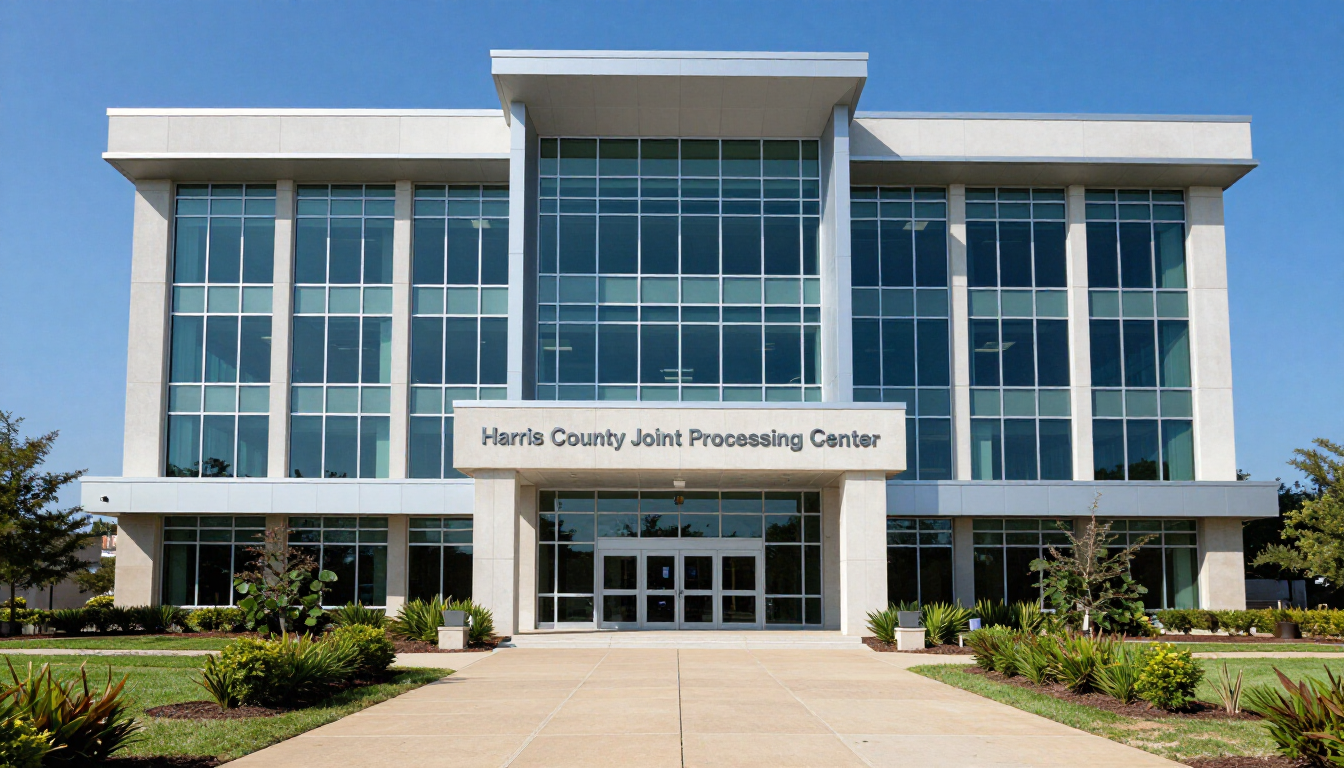
What Happens at a Texas Parole Revocation Hearing
A Texas parole revocation hearing is a formal administrative proceeding conducted by the Texas Board of Pardons and Paroles to determine if a parolee has violated their release conditions. The hearing evaluates evidence to decide whether the individual should remain in the community or be returned to prison for their original sentence.
What is a Texas parole revocation hearing?
In the Texas criminal justice system, parole is a privilege, not a right. When an individual is released on parole, they agree to follow a strict set of rules and conditions. If a parole officer believes those conditions have been violated, the state initiates a process that may lead to a revocation hearing. This hearing is the critical juncture where a parolee’s future freedom is decided. Unlike a standard criminal trial, a revocation hearing is administrative. This means the rules of evidence are more relaxed, and the burden of proof is lower. The state only needs to prove a violation by a "preponderance of the evidence"—meaning it is more likely than not that the violation occurred—rather than the "beyond a reasonable doubt" standard used in criminal courts.
Navigating this process often begins with the issuance of a "blue warrant." This is an arrest warrant issued by the Parole Division of the Texas Department of Criminal Justice (TDCJ). Once a parolee is taken into custody on a blue warrant, they are typically held without bond until the hearing process is complete. This makes it essential to understand the timeline and requirements of the hearing to ensure your rights are protected from the moment of arrest.

Does a blue warrant lead to an immediate hearing?
An arrest via a blue warrant does not result in an immediate hearing. Instead, it triggers a series of procedural steps designed to satisfy the requirements of due process. Following the landmark Supreme Court case Morrissey v. Brewer , parolees are entitled to certain protections before their parole can be revoked.
Typically, within a few days of being detained, a parolee will be served with a notice of the alleged violations. At this point, the individual must decide whether to waive their right to a hearing or proceed with the legal process. Waiving the hearing is often seen as an admission of guilt, which typically leads to automatic revocation or a transfer to an Intermediate Sanction Facility (ISF). Therefore, most legal professionals recommend requesting a hearing to present a defense and provide context for the alleged violations.
Who presides over the hearing?
The person in charge of a Texas parole revocation hearing is not a judge in the traditional sense, but a Hearing Officer employed by the Texas Board of Pardons and Paroles. These officers are trained to conduct the proceedings, swear in witnesses, and review evidence. Their primary role is to act as a neutral fact-finder.
While the Hearing Officer presides over the session, they do not make the final decision on whether parole is revoked. Instead, they compile a report and a recommendation based on the testimony and evidence presented during the hearing. This report is then sent to a panel of Board members who make the ultimate determination. Understanding that the Hearing Officer is the primary gatekeeper of your narrative is vital for a successful defense strategy.
Understanding the two stages of the process
A Texas parole revocation hearing is often divided into two distinct parts: the Preliminary Hearing and the Revocation Hearing. Depending on the nature of the violation, a parolee might be entitled to both, or only the latter.
The Preliminary Hearing
The goal of a preliminary hearing is to determine if there is "probable cause" to believe that a violation occurred. This is a low threshold. If the parolee is accused of a technical violation—such as failing a drug test or missing a meeting with a parole officer—and they do not have a new criminal charge, a preliminary hearing is usually required. However, if the parolee has already been convicted of a new crime while on parole, probable cause is often considered established by that conviction, and the preliminary hearing may be bypassed.
The Revocation Hearing
This is the main event. During the revocation hearing, the state (represented by the parole officer) presents evidence of the violation. The parolee, often with the assistance of a parole violation lawyer , has the opportunity to cross-examine witnesses and present their own evidence. This stage is not just about whether a violation happened, but also about whether that violation is serious enough to warrant a return to prison.

Can you have an attorney at the hearing?
Yes, you have the right to be represented by legal counsel at a parole revocation hearing. While the state is not always required to provide a court-appointed attorney (unless specific criteria regarding mental health or complexity are met), you are allowed to hire a private attorney to represent you.
Having an experienced attorney is often the difference between staying home and going back to prison. An attorney can:
- Subpoena witnesses who can testify on your behalf.
- Cross-examine the parole officer to expose inconsistencies in their report.
- Present mitigating evidence, such as proof of employment, family support, or participation in rehabilitation programs.
- Argue for alternatives to incarceration, such as intensified supervision or treatment programs.
In many cases, the Board is looking for a reason to believe that the parolee can be successfully managed in the community. A lawyer helps frame the situation in a way that emphasizes rehabilitation over punishment.
What evidence can be used against you?
The evidence presented in a revocation hearing can vary widely depending on the nature of the allegations. Because the rules of evidence are more flexible than in a jury trial, hearsay is often admissible. Common types of evidence include:
- Parole Officer Testimony : The officer will describe the alleged violations and the parolee’s overall history of compliance.
- Drug Test Results : Lab reports or field tests indicating the use of controlled substances.
- Police Reports : If the violation involves a new arrest, the state will introduce the officer's incident report.
- GPS Tracking Data : Evidence from ankle monitors showing the parolee was in a prohibited area or violated a curfew.
- Witness Testimony : Employers, family members, or victims may be called to testify about specific incidents.
Potential outcomes of a Texas revocation hearing
After the hearing is concluded, the Hearing Officer submits their findings to the Board of Pardons and Paroles. The Board then votes on the outcome. There are several possible results, and revocation is not guaranteed.
- Continue on Parole : The Board may find that no violation occurred or that the violation was minor enough to warrant only a warning. The parolee is released back to their previous supervision status.
- Continue with Modified Conditions : The Board may add new requirements to the parole, such as a stricter curfew, increased drug testing, or a requirement to live in a halfway house.
- Intermediate Sanction Facility (ISF) : This is a "short-term" incarceration (usually 60 to 180 days) focused on rehabilitation. It is often used for technical violations as an alternative to full revocation.
- Substance Abuse Felony Punishment Facility (SAFPF) : If the violation was related to drug or alcohol abuse, the Board might order the parolee to complete an intensive, in-prison treatment program.
- Revocation : The individual’s parole is officially cancelled, and they are sent back to the TDCJ to serve the remainder of their original sentence.

How to prepare for a successful defense?
Preparation for a revocation hearing should begin as soon as you are aware of a potential violation or the issuance of a blue warrant. Gathering documentation is the first step. If you are accused of missing a meeting because of work, obtain pay stubs or a letter from your employer. If you are accused of a technical violation due to a medical emergency, collect all relevant hospital records.
It is also beneficial to demonstrate a strong support system. Letters from family members, mentors, or religious leaders can show the Board that you have the necessary environment to succeed on the outside. Finally, being honest and professional during the hearing is crucial. The Hearing Officer and the Board are assessing your character and your willingness to follow rules. Aggressive or dishonest behavior can significantly hurt your chances of a favorable outcome.
Summary of the revocation process
A Texas parole revocation hearing is a high-stakes event where the burden of proof is low and the consequences are high. Understanding the flow from the initial blue warrant to the final Board vote is essential for anyone navigating the criminal defense system. By knowing your rights—specifically the right to a hearing, the right to evidence, and the right to counsel—you can better advocate for your freedom.
Key Takeaways:
- Hearings are administrative, using the "preponderance of evidence" standard.
- The process includes a Preliminary Hearing (to find probable cause) and a Revocation Hearing (to decide the outcome).
- You have the right to hire an attorney to represent you and cross-examine witnesses.
- Outcomes range from a simple warning to full revocation and return to prison.
If you or a loved one are facing a hearing, do not wait until the last minute to seek help. Professional legal guidance can ensure that your side of the story is heard by the Board. For more information or to discuss your specific case, you can contact us to explore your options and build a strong defense.